This Week’s Moments, Objects + Rituals
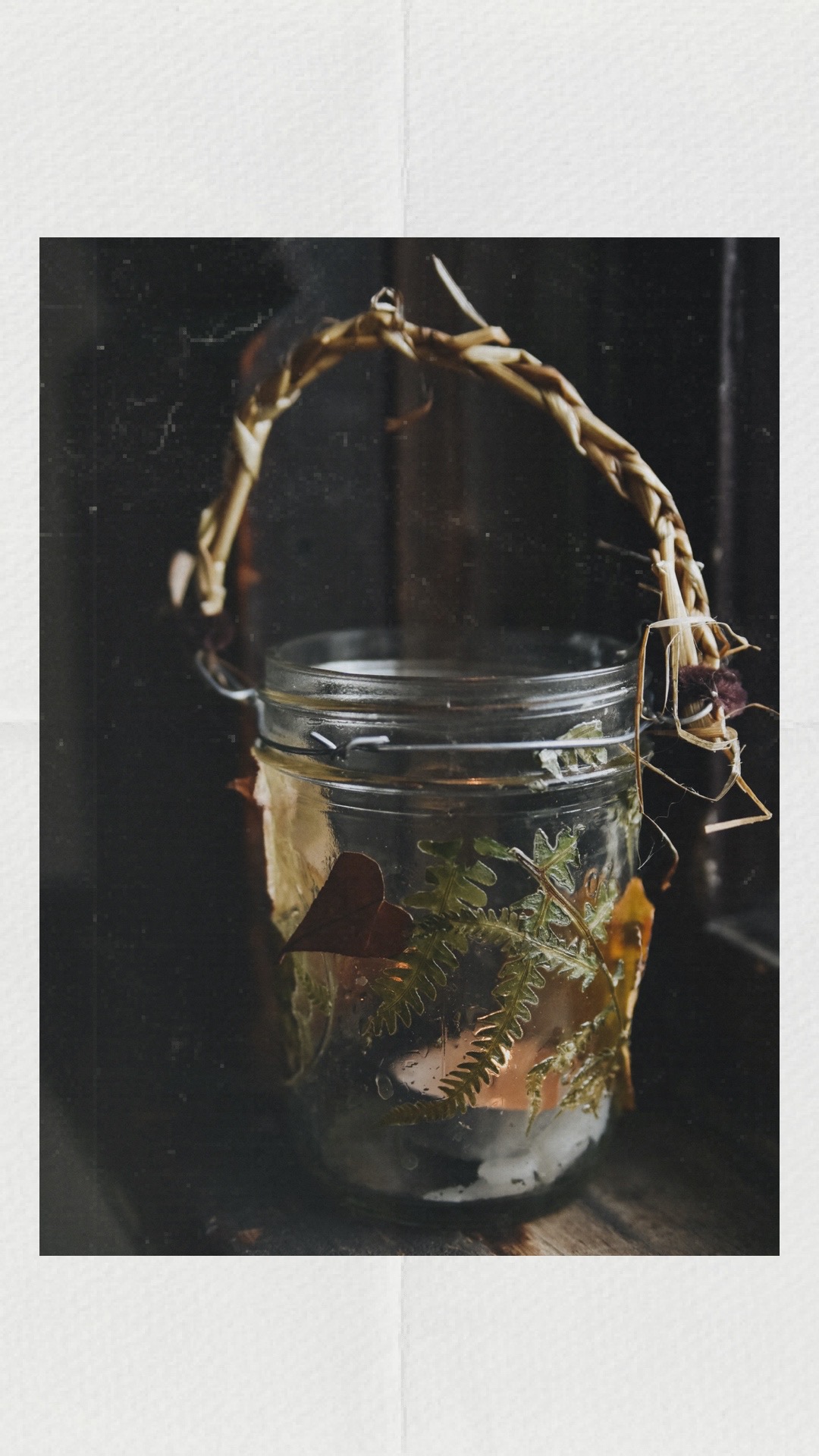

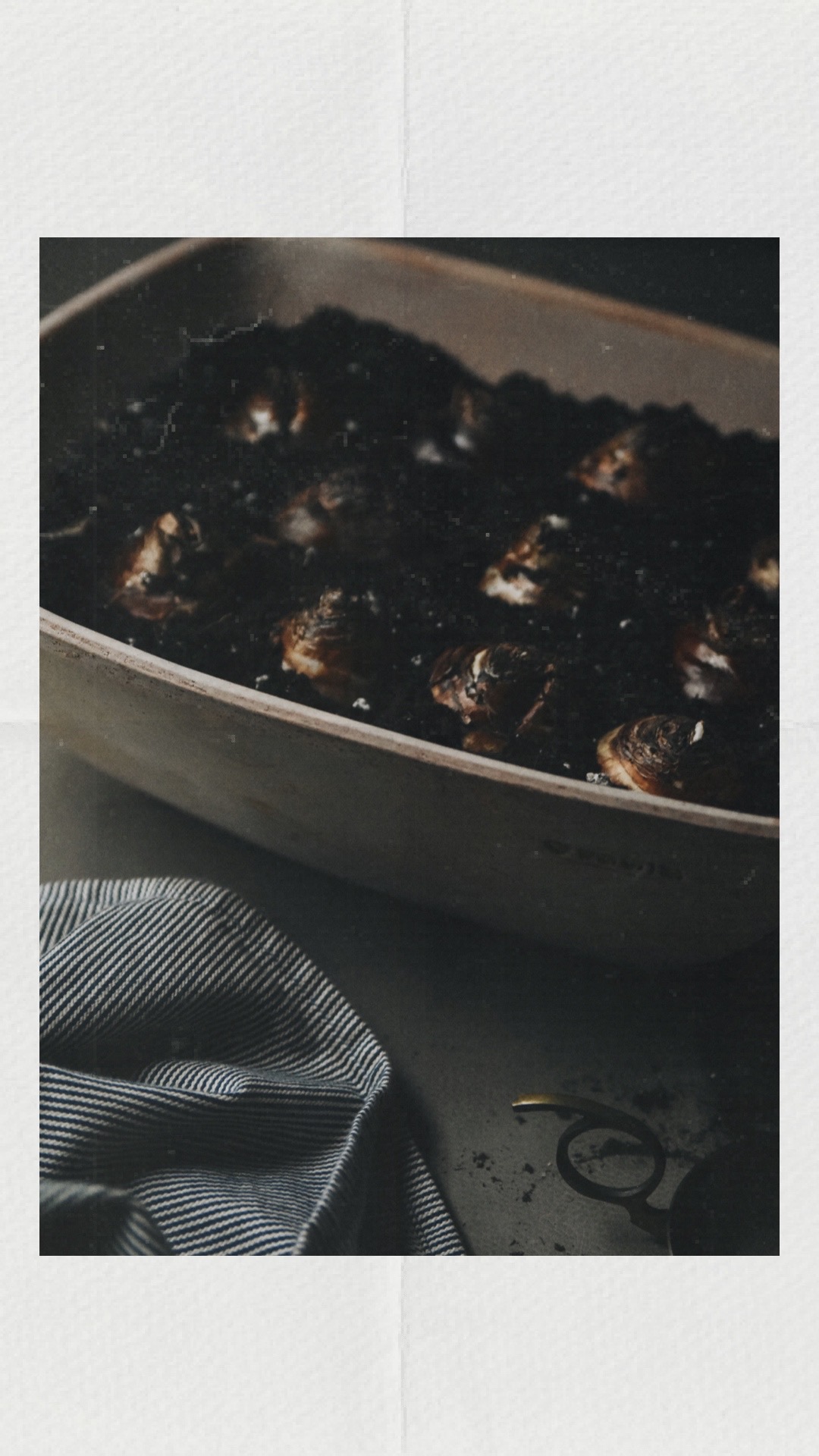
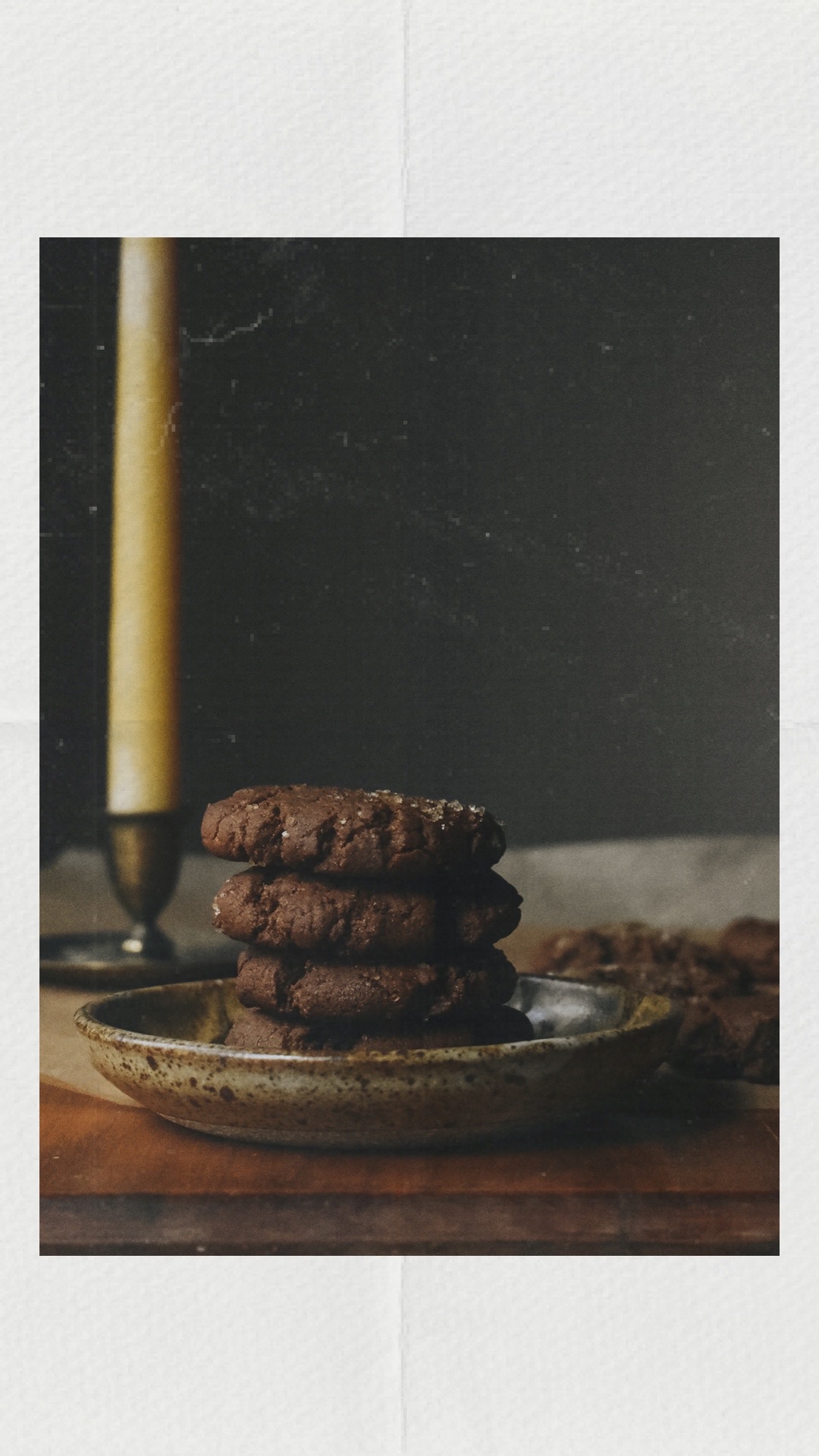
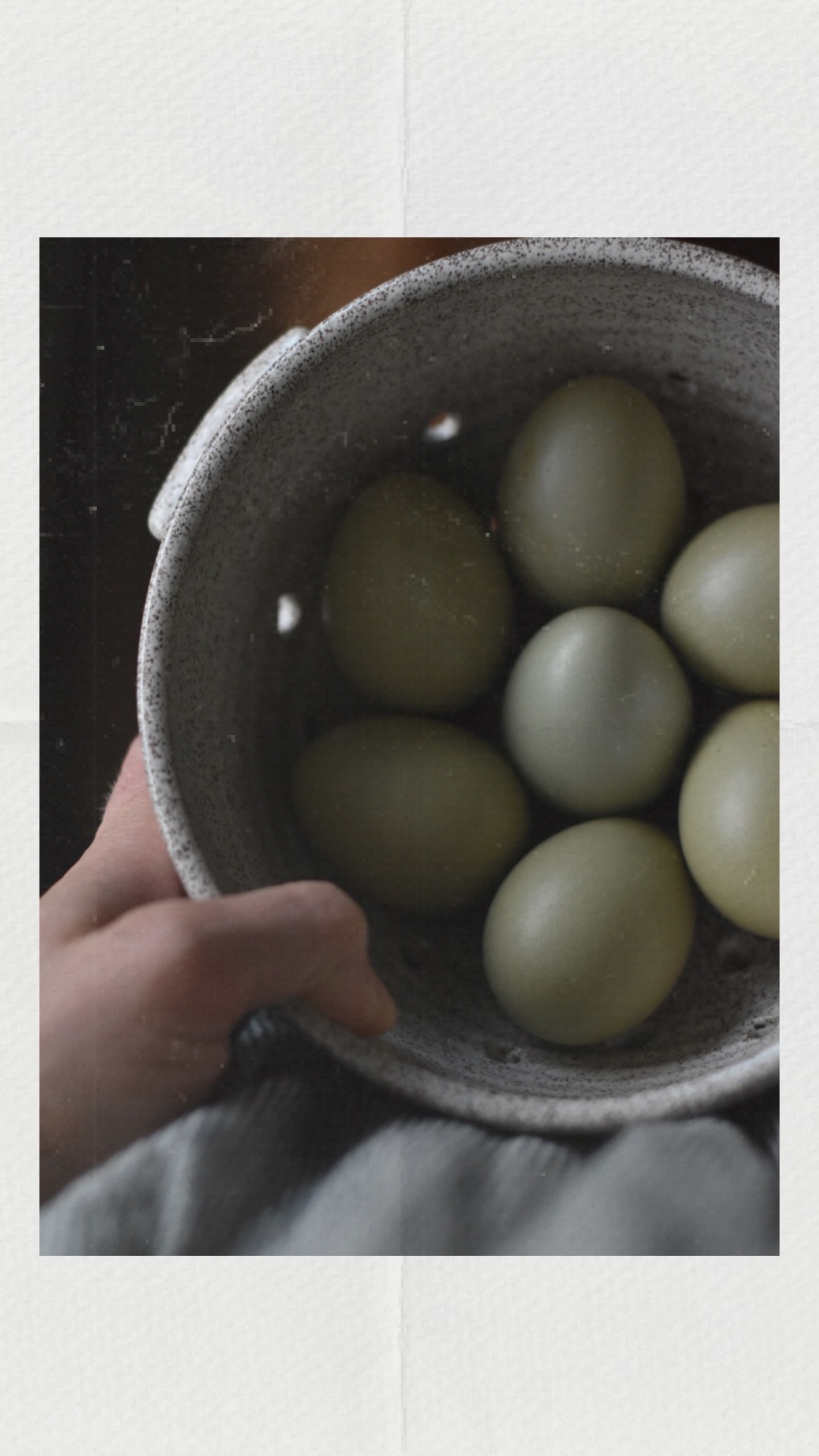

There is a very good reason why I prefer opening up a bulky cookbook, pages stained in ingredients and corners folded, signifying that it was a recipe even the children gobbled up. It is the prelude to the memories of mealtime; the cacophony of folks gathered around the table, the simple act of sharing, and the effervescence of it all. Before the pandemic hosting meals was one of my favorite ways to engage in community, and the act of preparing a meal is definitely a love language of mine. And then the world stopped. And we couldn’t gather. And now a full rotation around the sun, we are still finding ourselves staying home, unsure of what safety feels like, and cooking has never felt more like a tireless part of a daily routine. And while the love isn’t lost from it, the exhaustion from the monotony is real. As I did a writing exercise the other day, one inspired by using writing as a way to draw feelings from the dusty corners of our unconscious, I was flooded with memories of the height of last summer, when Bodhi and I would go out into the garden in the early morning, dew still ripe on the vines and leaves of our abundance of plants, and tenderly pick the vegetables, herbs and flowers that were begging to be harvested. We would pack up small baskets or jars and load them up to drop quietly on the porches around our neighborhood. We knew who liked to eat their cucumbers raw with a little bit of salt, and who would turn the eagerly seeded jalapeño patch into a jar of fresh salsa that would arrive days later. These small ways of staying connected are the very pieces that I have clung to as we’ve descended the depths of social isolation. It has me pondering all the ways in which we are building community in these modern times, and how our communities hold us and influence us as we change, grow and navigate our future.
I have been shown that true community for me both encompasses and practices those values that I hold in my heart and in my actions. And often in return, I can feel myself being cared for in ways I hadn’t even known in times I so deeply needed. In the age of technology we’ve begun trading handwritten correspondence for e-mails, a birthday telephone call for a text message, and have relied so heavily on online communities to nurture us with what one of my dear friends referred to recently as “capitalism cloaked in a more friendly package.” I find myself wavering unsteadily between a feeling of inspiration and overwhelm in spaces like social media. We have permitted sharing that promotes consumption with the threat of scarcity, and allowed ourselves to be an influence for community as a commodity good. This idea that our community is built off of how much we engage perpetuates a culture that already extols overworking and burnout as success. There is gravity to conceiving that this is the way our communities should function and the weight we are impressed by them. We are responsible for the choices of our resources.
At a recent doctors visit, there was a slightly tattered poster hanging on the wall of the room I was in with the headline “COMMUNITY” and under it were photos of families walking to the library, neighbors taking welcome breads to one another, and normalizing swapping clothing and other kindnesses. This is the type of inexhaustible energy that I am searching for; the care of one another and our things passing from hand to hand, the gratitude amplifying at each exchange. These are the acts of service that create an attachment of appreciation and invite us to connect ourselves to the rhythm of reciprocity.
The kinship I have found most nourishing in these long days of pandemic living have been telephone conversations with familiar voices, a note of encouragement taped to an egg carton on my front steps, tiny surprise envelopes of seeds in the post from one gardener across country to another, and being raw and honest as a way to honor the relationships in our lives. And I can say firmly, that when my anxiety subsides from the comforts of home, the way in which I choose to spend my time is something to be done with the utmost intention of revitalizing the sense of community that I have not stopped aching for. And what better way to do that than with radical support and generosity to those people, places and programs that have allowed us to continue to care for ourselves and our families with greatest of abundance during the most trying of times. To show up in ways that support accessibility and inclusivity rather than commoditization. Tell me, are there seats at the table of the community you are building?
 wholewovenhome.com